 |
|
|
|
|
|
|
|
|
|
|
|
|
|
|
|
|
|
|
|
|
|
|
|
|
|
|
|
|
|
|
|
|
|
|
|
|
|
|
|
|
|
|
|
|
|
|
Népal, Décembre 2000 (suite)
Nepal, December 2000 (continued) |
|
|
|
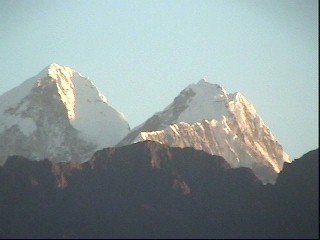
À mi-chemin de notre trajet...
Halfway our journey... |
|
|
|
 |
|
|
 |
|
|
|
|
|
|
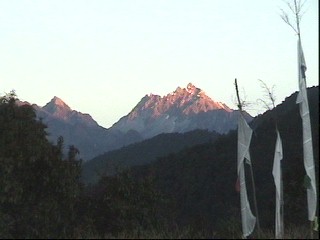
A l'avant-plan : des drapeaux de prières.
In the foreground : prayer flags. |
|
|
|
Les sommets du Doji Lakpa.
The Doji Lakpa summits. |
|
|
|
|
|
 |
|
|
 |
|
|
|
|
|
|
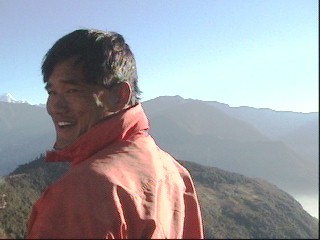
Kaji nous montre dans quelle direction se trouve l'Everest.
Kaji is showing us in which direction is the Everest. |
|
|
|
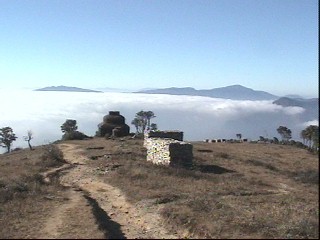
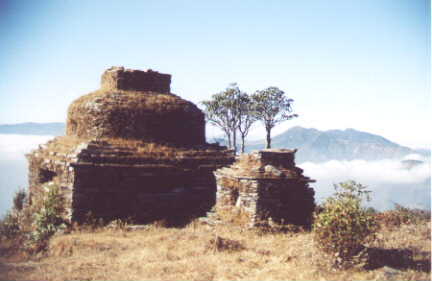
Les sentiers sont jallonés d'antiques stupas.
The trails are marked with antique stupas. |
|
|
|
 |
|
|
|
 |
|
|
|
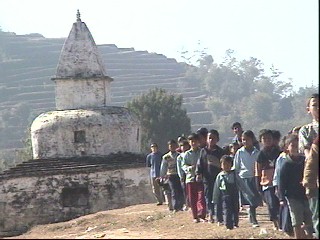
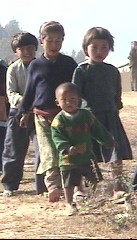
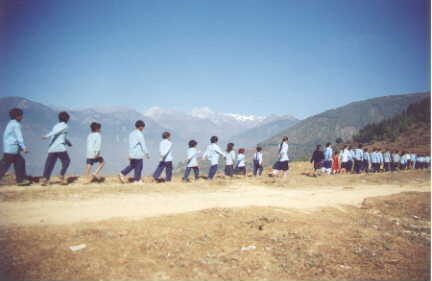
Nous
traversons un autre village appelé Kakani, à l'heure
où les enfants marchent au son rythmé du tambour.
We come across another village called Kakani, where all the kids are marching at the rythm of a drum. |
|
|
|
|
|
 |
|
|
|
|
 |
|
|
|
|
|
|
 |
|
|
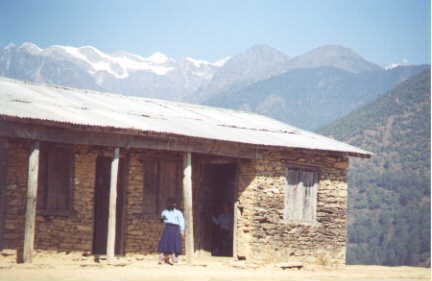
L'école
The school |
|
|
|
|
|
|
 |
|
|
|
 |
|
|
|
|
|
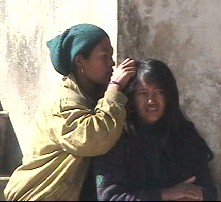
Ils ne connaissent pas encore le peigne fin...
They don't know yet what is a fine-tooth comb... |
|
|
|
|
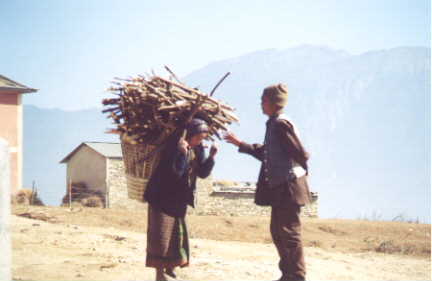
Ce sont souvent les femmes qui portent les plus lourds fardeaux.
It's often the women that carry the heavier loads. |
|
|
|
|
|
|
|
|
|
|
 |
|
|
|
